Quick Wins for Safer, Cleaner Small Shops

Today we dive into quick compliance procedures for small shops, focusing on safety and hygiene essentials that help you stay inspection-ready without slowing sales. Expect practical checklists, proven routines, and confidence-building habits so your team protects health, prevents accidents, and keeps trust high while the tills keep ringing.

Start Strong: A Fast Compliance Snapshot

Begin each day with a clear, actionable overview that turns rules into simple routines. This practical snapshot links opening checks, legal must-haves, and everyday shop realities, so nothing important hides behind paperwork or busy shifts. You’ll feel prepared, your team stays aligned, and inspectors see consistent, thoughtful control.

Clean as You Go: Daily Hygiene That Actually Sticks

Turn cleanliness into momentum, not a chore saved for closing when energy fades. Color-code cloths, label spray bottles, and post contact-time reminders where hands pause. Build short, repeatable bursts: pre-open wipe-downs, hourly touchpoint cycles, and closing resets that protect mornings from starting behind schedule again.

Hand Hygiene Customers Notice

Place sinks where staff naturally pass, stock gentle soap, and provide warm water. Add mint-scented sanitizer where customers queue; one bakery saw higher compliance simply because patrons loved the fragrance. Reinforce with friendly reminders at shift huddles, and track refills as a quiet proxy for consistent usage patterns.

Surface Disinfection by Zones and Times

Define zones: customer touchpoints, staff-only counters, food-contact areas, and bathrooms. Set frequencies, label chemicals, respect contact times, and rotate cloth colors to prevent cross-contamination. Post a visible schedule near each zone. A market reduced sick days after aligning wipes with rush-hour rhythms and using timers to enforce dwell.

Backroom and Restroom Routines That Stick

Treat backrooms and restrooms as mission-critical, not hidden afterthoughts. Start with ventilated storage, closed-lid bins, clean mop cabinets, and flushing checks. Timed resets mid-shift catch early mess. A convenience shop halted recurring odors by scheduling micro-cleans during restocking, tying tasks to natural workflow breaks staff already follow.

People First: Training, Briefings, and Proof of Compliance

Welcome new hires with a quick walk-through covering handwashing, sanitizer mixing, incident reporting, lift safety, and emergency exits. Let them shadow a pro for one rush hour. Capture signatures on a single page. A corner kiosk reduced mistakes by introducing this micro-onboarding before a single key touched a till.
Run quick drills: spill response, first-aid box retrieval, extinguisher location, and evacuation cues. Keep it friendly, unexpected, and brief. Celebrate wins and log learnings. One boutique practiced a two-minute spill routine every Friday; a real coffee spill later looked choreographed, impressing customers and easing a surprise inspection’s nerves.
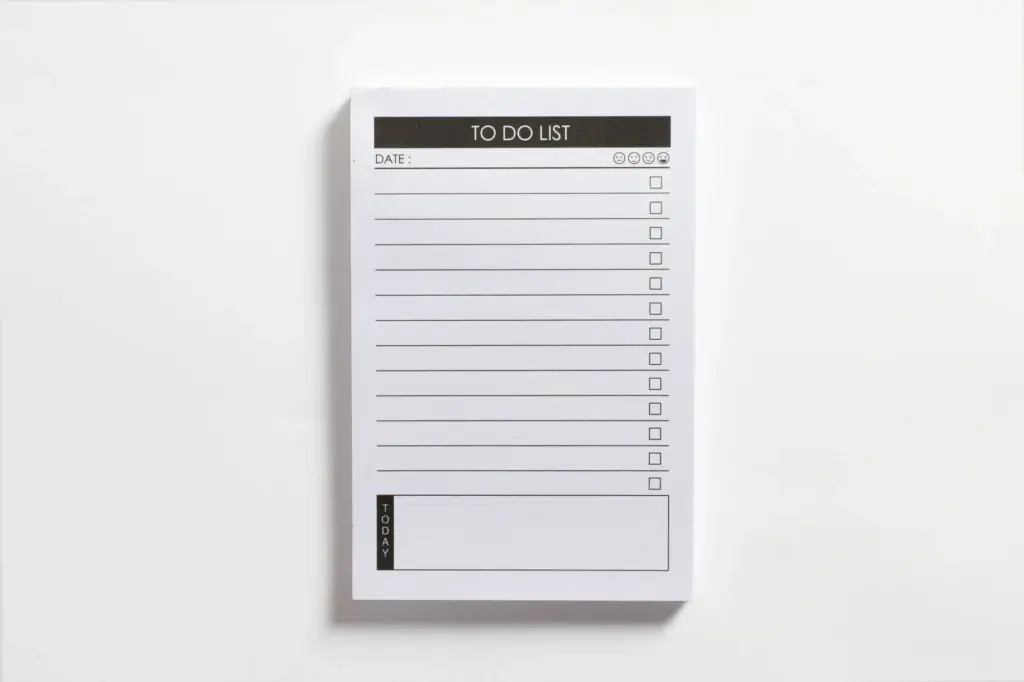
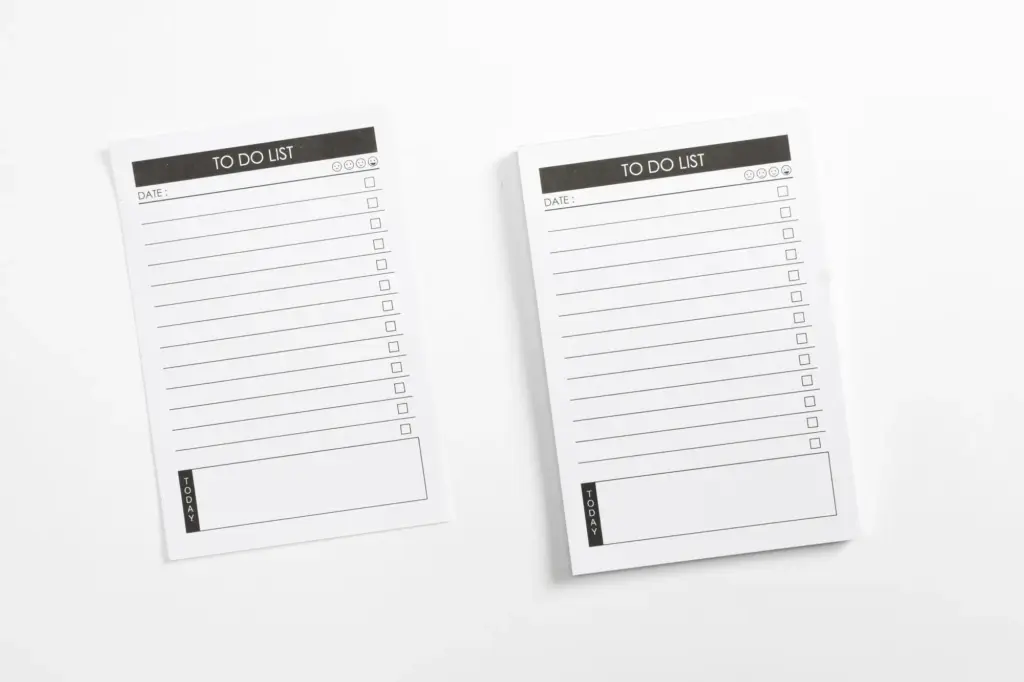
Aim for legible, dated, and role-labeled logs: cleaning cycles, fridge temperatures, sanitizer checks, training acknowledgments, and incident follow-ups. Use checkboxes with space for notes. A small deli avoided fines by photographing thermometer readings daily and auto-uploading them, creating a tamper-evident trail that matched their posted temperature targets perfectly.

Safe Spaces: Layout, PPE, and Clear Signals

Smart Layout in Tiny Footprints

Map pathways with tape markers, keep pinch points clear, and anchor tall displays. Place heavier items at waist height to prevent strains. One newsstand shifted a rack six inches and cut collisions to zero. Simple shifts matter when speed, visibility, and limited square footage collide during busy evening surges.

Right-Size PPE for the Task

Map pathways with tape markers, keep pinch points clear, and anchor tall displays. Place heavier items at waist height to prevent strains. One newsstand shifted a rack six inches and cut collisions to zero. Simple shifts matter when speed, visibility, and limited square footage collide during busy evening surges.

Signage That Guides, Not Scares

Map pathways with tape markers, keep pinch points clear, and anchor tall displays. Place heavier items at waist height to prevent strains. One newsstand shifted a rack six inches and cut collisions to zero. Simple shifts matter when speed, visibility, and limited square footage collide during busy evening surges.

When Things Go Wrong: Incidents, Recalls, and Inspections

Prepared shops recover faster. Create a simple flow for spills, injuries, product issues, and unplanned visits. Assign duties, keep forms reachable, and rehearse once a month. The goal is calm, compassionate action that protects people, preserves evidence, and demonstrates organized control under genuine pressure.

Beyond the Bin: Waste, Pests, Air, and Maintenance

Sustainable control prevents small nuisances from becoming expensive crises. Segregate waste, seal entry points, keep air fresh, and maintain equipment before it squeals. These quiet disciplines keep costs predictable, morale high, and inspections pleasantly uneventful, even on damp days or during heavy seasonal stock rotations.
Vimehavufevirovarivulumefi
Privacy Overview

This website uses cookies so that we can provide you with the best user experience possible. Cookie information is stored in your browser and performs functions such as recognising you when you return to our website and helping our team to understand which sections of the website you find most interesting and useful.